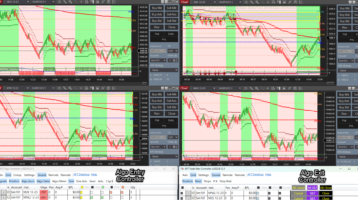
The retail trading landscape has evolved dramatically over the past decade. Amid these changes, AlgoTrading Trading Systems (ATS) has emerged as a major innovator. By combining technology, education, and market access, ATS has helped retail traders achieve better results with fewer trading pitfalls. Here is how ATS has transformed the way trading is approached in the retail space:
1. Pioneering Hybrid Trading Systems and Methods
- Max Profit, Min Drawdown, Least Emotion One of the core breakthroughs of ATS CEO Tom Leeson is the development of hybrid trading systems from 2006 that blend traditional discretionary analysis with algorithmic precision. The overarching goal: maximize potential profit, minimize drawdown, and reduce the emotional stress that often derails traders.
- Decades of Hands-On Experience These systems did not spring up overnight. Instead, ATS’s approach is the result of years of iterative learning, constant feedback, and real-world testing. By synthesizing proven methods with modern technology, ATS provides traders with robust tools that adapt well to fluctuating market conditions.
- Real-Time Adaptability Hybrid trading systems stand out for their ability to rapidly incorporate new data and evolve. This dynamic capability ensures that strategies remain relevant in both trending and volatile markets.
2. Providing Access for All Traders
- Free, Long-Term Trials with a “Zero to Hero” Program A significant barrier to entry for retail traders is often the cost of professional tools and training. ATS disrupts this model by offering extended, free trials so that aspiring and intermediate traders can test the platform risk-free. This “zero to hero” initiative democratizes trading and helps participants build confidence before committing financially.
- Lowering the Entry Barriers By eliminating high initial fees and providing sophisticated tools at no cost for a trial period, ATS lowers the financial bar for new traders to develop skills, practice strategies, and see results in real-time market conditions.
- Focus on Skill Development The structured training programs emphasize both theoretical and practical knowledge. Rather than merely handing traders a set of tools, ATS guides them toward proficiency, helping them understand how strategies work and how to adapt as markets shift.
3. 360-Degree Trading: Systems, Education, Support, and AI
- All-In-One Ecosystem ATS offers a full suite of resources: trading systems, ongoing education, technical and emotional support, plus community engagement. By weaving these pillars into a single platform, ATS ensures that traders have everything they need—no more piecemeal solutions or juggling multiple vendors.
- AI Copilot for Enhanced Insights One of the most forward-thinking aspects of ATS is its AI Copilot feature, which uses artificial intelligence to assist traders with real-time market analysis, risk assessment, and even personalized strategy suggestions. This AI-driven guidance helps keep human bias in check and allows for more informed decision-making.
- Building a High Trading IQ Community Central to ATS’s vision is cultivating a network of knowledgeable, well-equipped traders. Through online forums, webinars, and mentorship, traders can continually enhance their skills, share insights, and tap into a supportive environment geared toward collective success.
Why It Matters
By integrating technology, education, and a community-driven ethos, ATS has effectively shifted retail trading practices from a “lone-wolf” approach to a collaborative, data-driven experience. The result is a new generation of traders who are not just skilled with market techniques but also supported by cutting-edge tools and a like-minded community.
Key Takeaways
- Hybrid System Innovation – ATS bridges the gap between discretionary and algorithmic trading with an emphasis on stable growth and minimal emotional interference.
- Open Access – Free, long-term trials and structured mentorship lower the entry barrier for new traders.
- Comprehensive Support – Education, AI-powered tools, and a supportive community create a holistic environment for sustainable success.
Conclusion
ATS’s multifaceted approach—encompassing cutting-edge trading systems, robust education programs, and AI-based co-pilot features—has set a new standard in retail trading. By focusing on accessibility and continuous improvement, ATS helps traders of all levels develop the skills and confidence needed to succeed in today’s rapidly evolving markets.