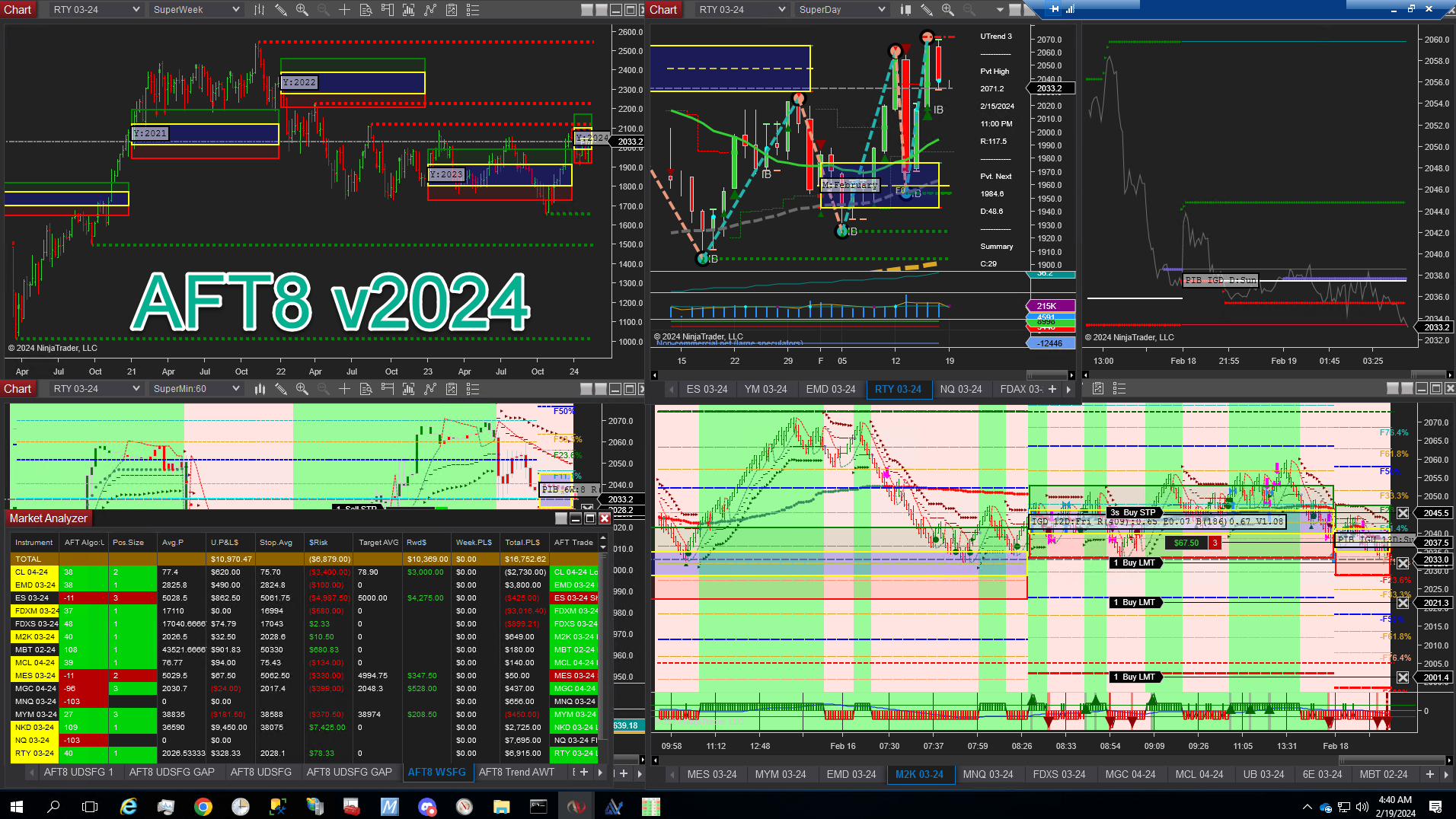
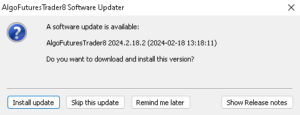
AFT8 updates and ATS Desktop apps were released over the weekend on 2024-03-24.
App Breaking Changes
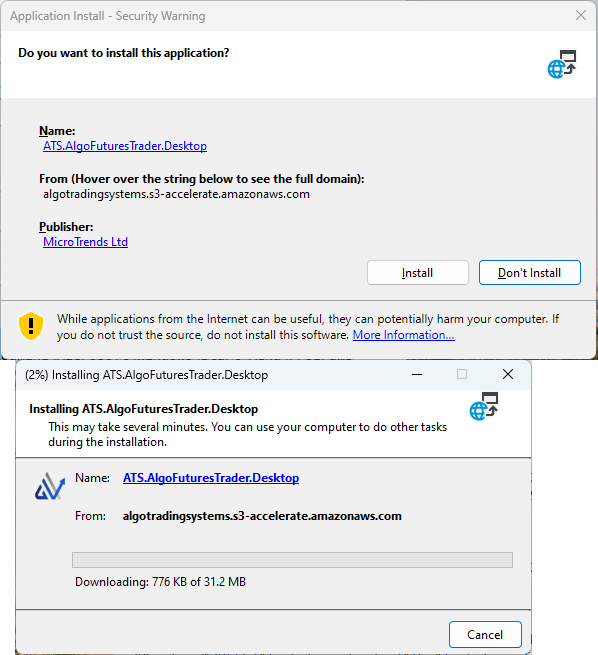
Apps now use a network accelerator deployment URL for faster global installation.
Apps affected:
- AFT.Desktop
- AWT.Desktop
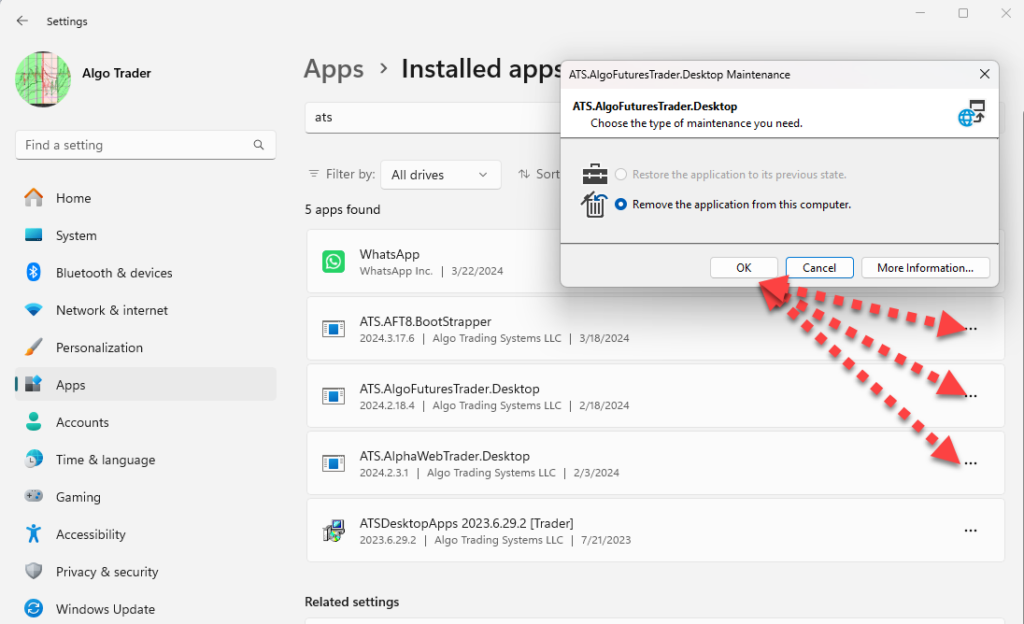
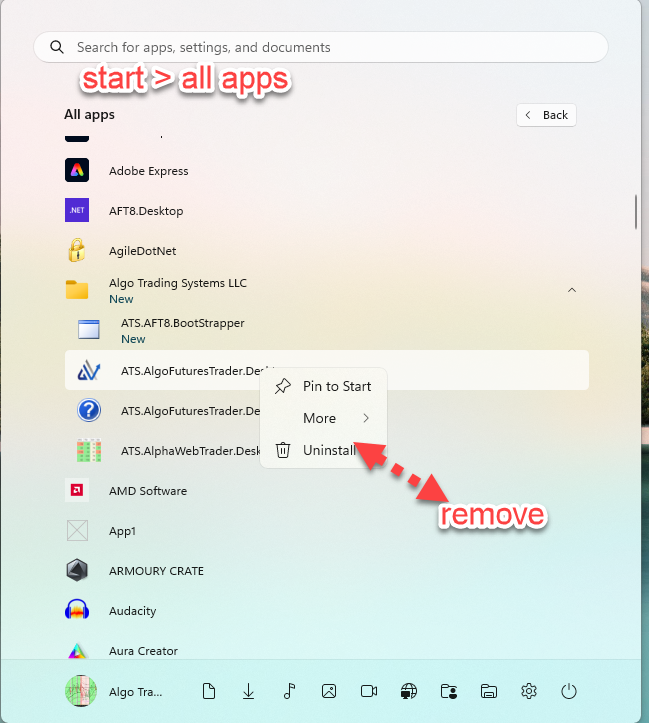
Uninstall:
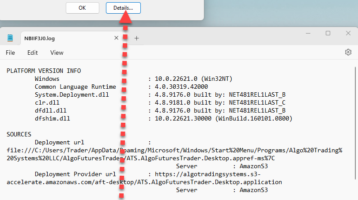
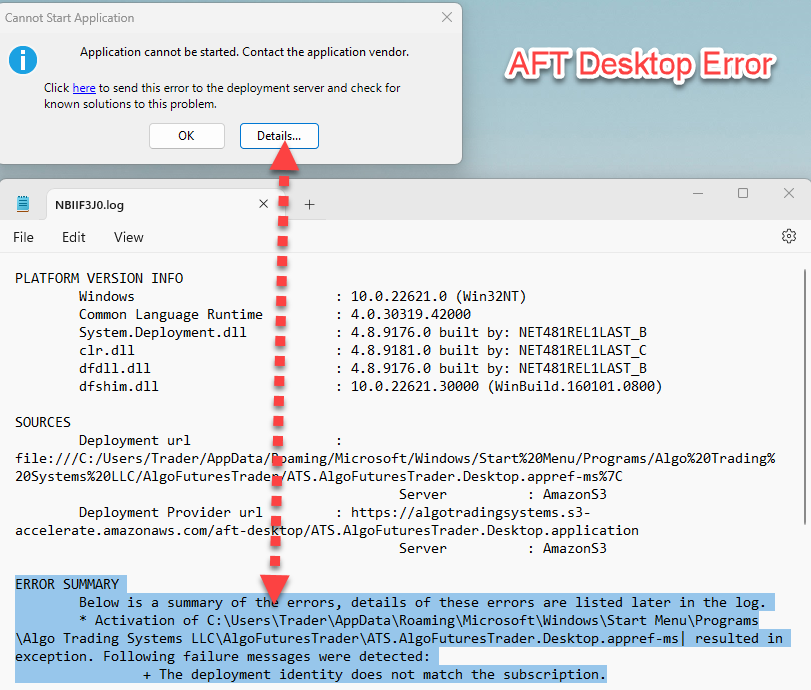
How to uninstall ATS Desktop AppsIt is critical to uninstall old apps before installing the new apps to avoid conflicts and errors.
Re-Install:
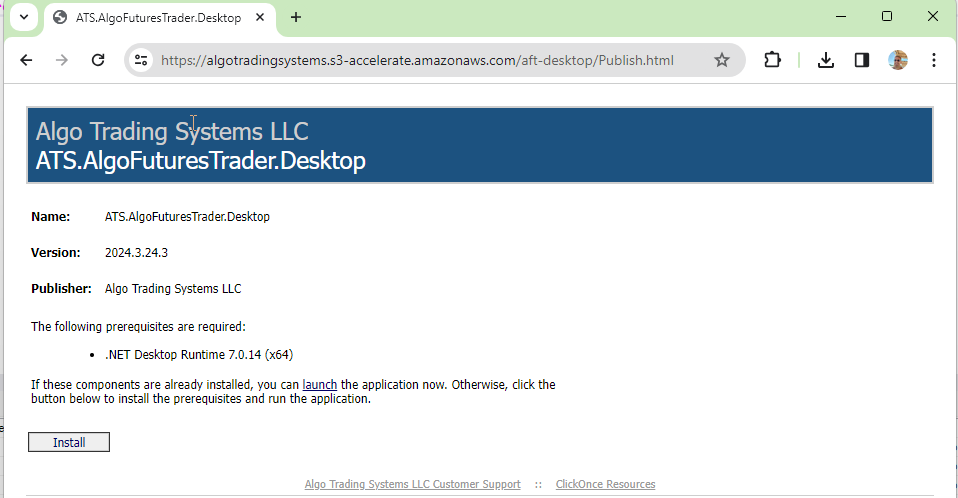
Download the “ATS Desktop Apps” InstallerRun and Install Apps:
How to install ATS Desktop Apps
🚀 Get Started Trading the Easy Way
Get started 100% FREE with NinjaTrader Desktop, an ATS Universal Account and access to eligible ATS Freemium applications and trader resources without a time limit. Follow the self-assisted ATS Launchpad to create and configure your account, access AFT Freemium and request an available full-feature trial. No payment card is required to get started. If you prefer personal assistance, explore optional independently supplied setup and onboarding services through the ATS Ecosystem.1) 📊 Download and Set Up NinjaTrader Desktop
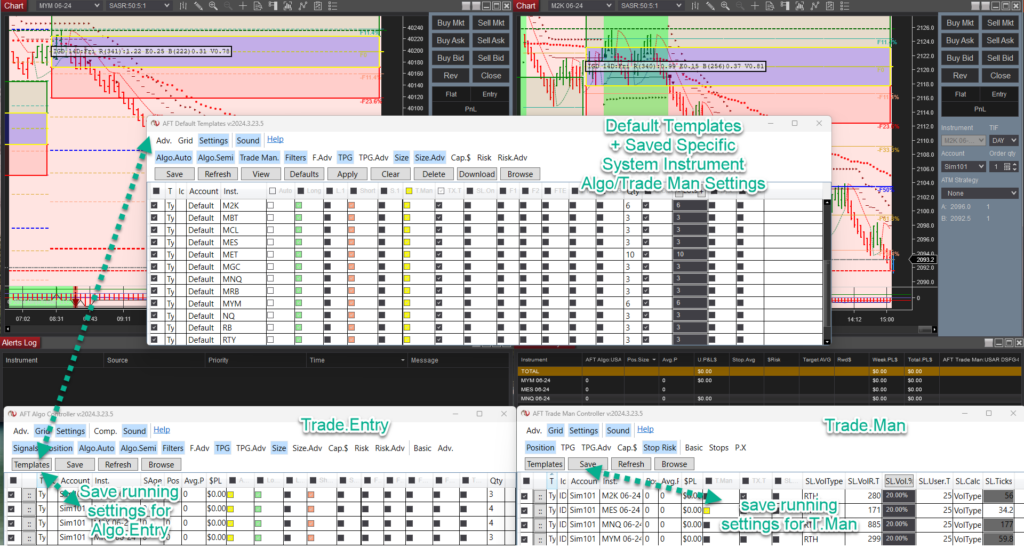
Download NinjaTrader Desktop for futures charting and simulated trading. Real-time market data requires an appropriate connection and may involve separate fees. Use NinjaTrader with AFT for manual discretionary, Hybrid Algo or fully automated trading across supported demo, simulation, prop-firm evaluation, funded and live-trading accounts, subject to your AFT plan and account-provider rules.2) 🚀 Get Started 100% FREE
Create your free ATS Universal Account and follow the self-assisted Trader Launchpad to unlock eligible ATS Freemium access, Market IQ, trading-group resources, trader benefits and available full-feature trials.- Freemium Access Without a Time Limit: Use eligible ATS Freemium applications within their included feature limits.
- AFT Freemium: Higher-timeframe charting indicator usage free forever for swing/intermediate position trading
- Self-Assisted Launchpad: Follow the guided steps to set up your account, applications and available services.
- White Glove Services: Setup, onboarding and trader-mastery services through the ATS Ecosystem.
- Full-Feature Trial: Eligible traders can request an available trial directly from their ATS Account Trader Launchpad.
- No Payment Card Required: Create your account and begin with Freemium access at no cost.